
10 Life Skills We Learn From Riding Dirt Bikes

As kids head back to school, it's a good time to think about all the different places learning happens.
Some lessons are taught in classrooms. Others are learned on sports fields, in hockey arenas, at a first job, or with a pair of motocross boots on and a dirt bike underneath you.
At Gopher Dunes, we've had the opportunity to watch riders of every age and ability experience those lessons. From a child learning to operate a motorcycle for the first time, to families spending their weekends racing together, to professional athletes competing at the highest level of Canadian motocross, the motorcycles may change and the speeds certainly increase — but many of the lessons remain exactly the same.
From the outside, motocross is easy to define by what you can see: motorcycles, jumps, speed, competition and a lot of dirt.
But anyone who has spent enough time around the sport knows there is much more being learned along the way.
Here are 10 life skills we believe riding dirt bikes can help develop.
1. Confidence Is Earned
There is something incredibly rewarding about learning how to ride a motorcycle.
For a beginner, almost everything requires thought.
Where are the brakes? How much throttle should I use? When do I shift? Where should I look? How do I stand properly?
Then things slowly begin to click.
The rider who was once nervous about letting out the clutch is soon riding around on their own. Eventually, the corner that intimidated them becomes routine. The hill they were afraid to climb gets conquered.
It teaches an important lesson, confidence isn't something somebody can simply give you. It's something you build by doing difficult things.
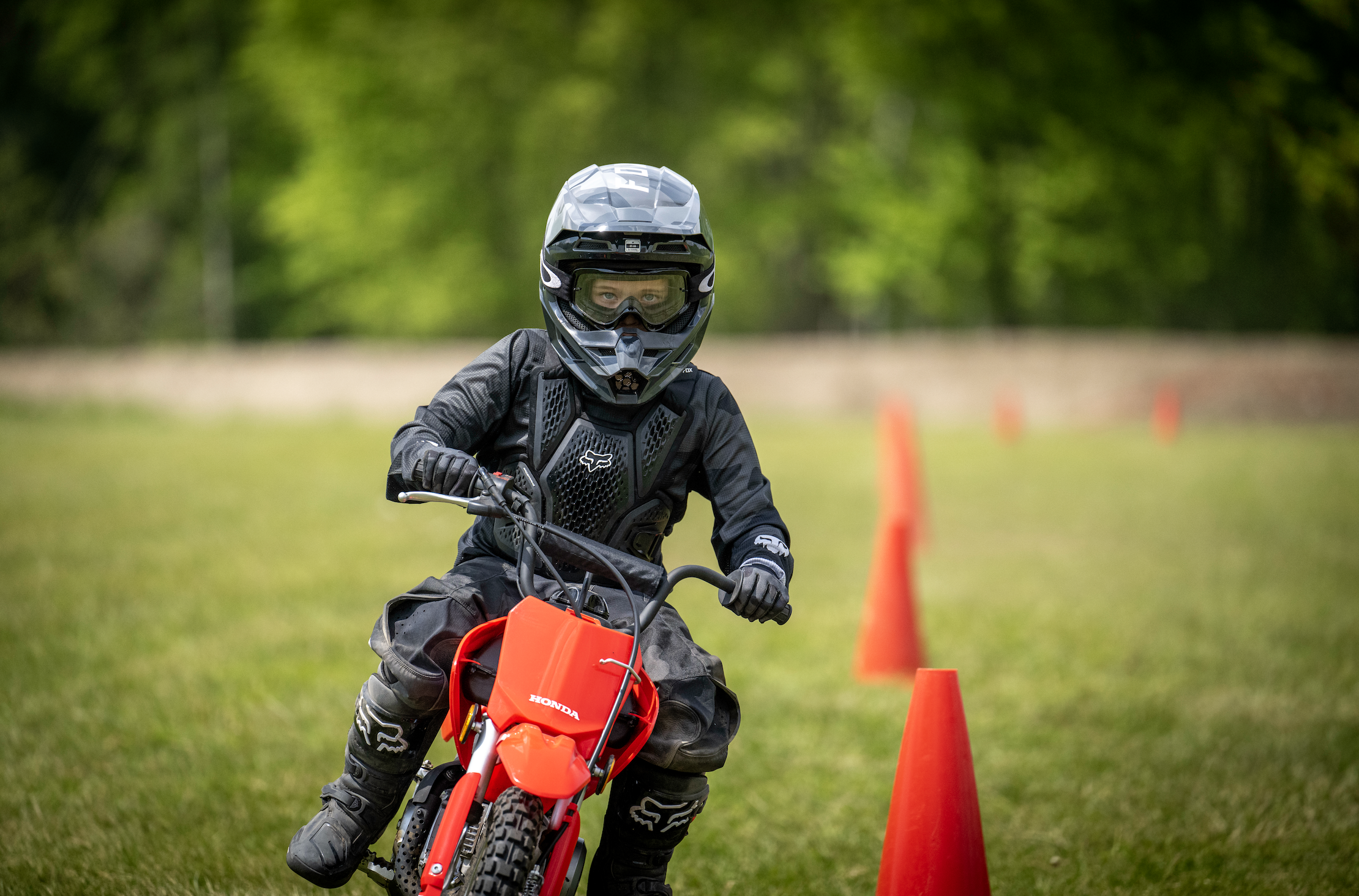
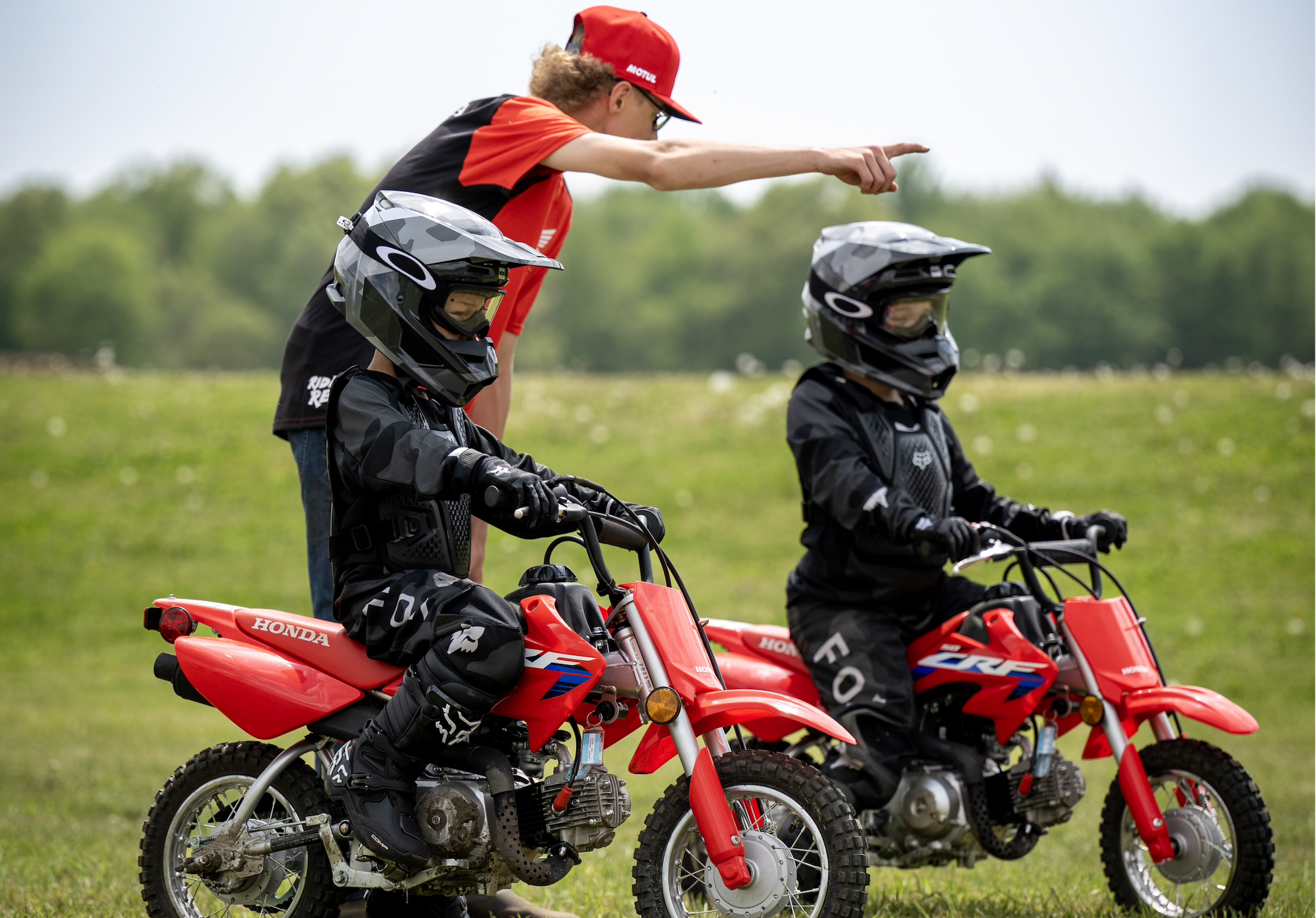
We get to see this transformation regularly at Gopher Dunes, particularly with first-time riders participating in Honda Red Rider training. A child can arrive unsure whether they can even operate a motorcycle and leave having accomplished something they couldn't do only hours earlier.
For us, watching that moment happen is one of the best parts of introducing someone to dirt biking.
The goal doesn't necessarily have to be creating the next motocross champion. Sometimes simply helping a young person discover that they're capable of doing something difficult is victory enough.
2. Resilience - Get Back Up and Try Again
Motocross makes failure impossible to avoid.
You're going to stall the motorcycle.
You're going to miss a shift.
You're going to make a mistake in a corner.
And sooner or later, you're probably going to fall down.
Then you have a choice.
You can quit, or you can pick the motorcycle back up and try again.
Spend enough weekends around the tracks at Gopher Dunes and you'll see this lesson play out constantly. A young rider struggling with a section in the morning may be clearing it confidently by the afternoon simply because they refused to give up.
As riders progress into racing, that lesson becomes even more important.
A bad start doesn't mean the race is over.
A mistake on lap two doesn't have to ruin the entire moto.
A difficult weekend doesn't define a season.
Some of the strongest racers aren't necessarily the ones who make the fewest mistakes. They're often the ones who are best at recovering from them.
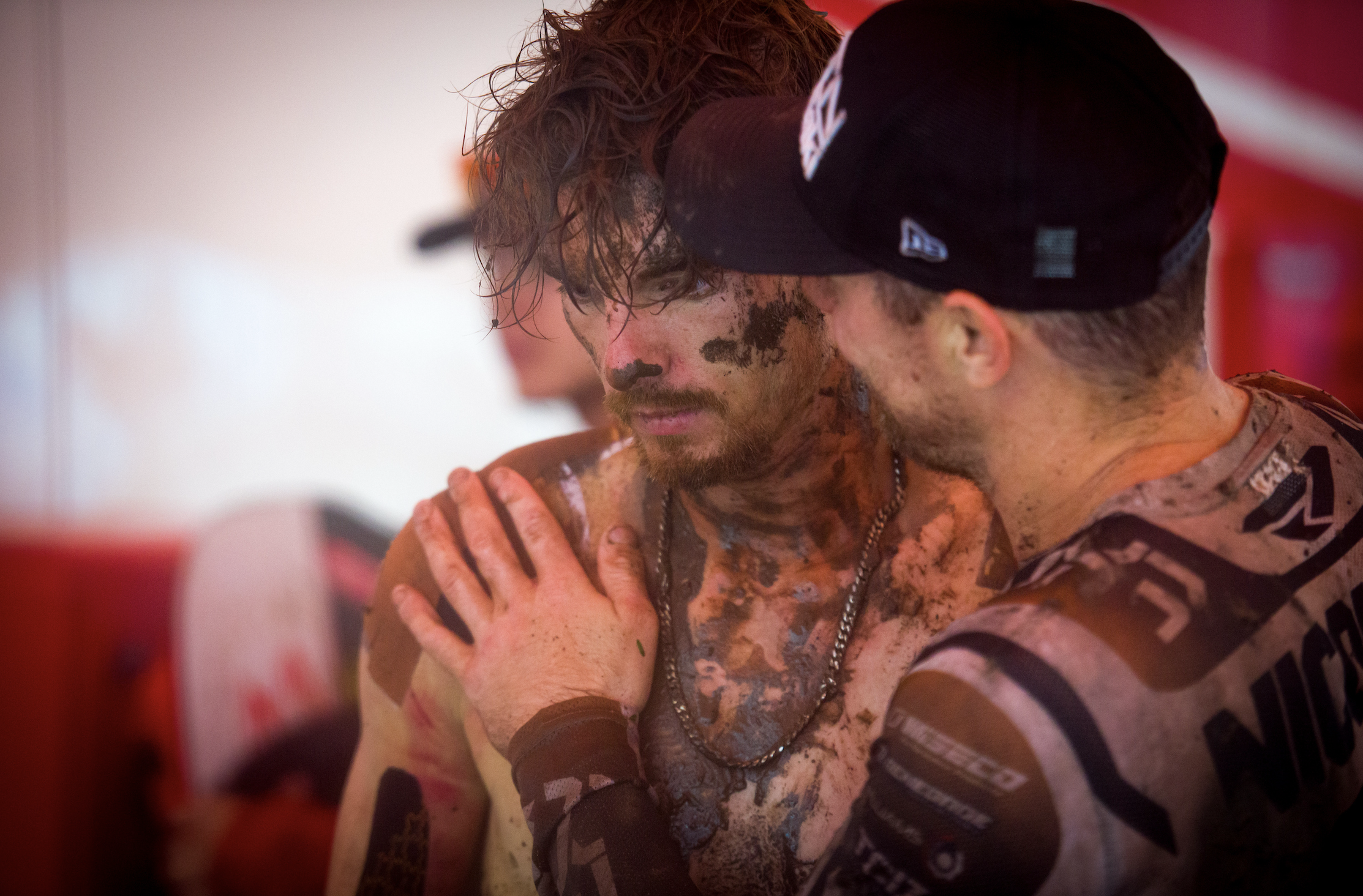
Learning how to fail, reset and keep moving forward might be one of the most important skills motocross teaches.
3. Hard Work Creates Results
Motocross has a way of exposing shortcuts.
You can't fake fitness halfway through a long moto.
You can't pretend you practiced starts when thirty motorcycles are lined up beside you.
And you can't expect to continually improve without putting in the laps.
Progress comes through repetition.
One more lap.
One more corner.
One more day of training.
This can start with a recreational rider trying to become more comfortable on a track and eventually progress into the structured training required to compete at the national level.
The scale changes. The principle doesn't.
Eventually, young racers begin making the connection between the work they do during the week and the results they see on race day.
It's a lesson that applies almost everywhere in life:
The work you do when nobody is watching often determines what happens when everybody is watching.
4. How to Manage Fear
Being brave doesn't mean being fearless.
Every dirt bike rider eventually encounters something that makes them uncomfortable.
For one person it might be their first hill.
For another it might be their first jump.
For a racer it could be lining up behind a starting gate with thirty competitors beside them.
Riders gradually learn how to work through those feelings.
Assess the situation and prepare for it.
Make a decision and commit.
One of the reasons we believe proper instruction and progression are so important at Gopher Dunes is that confidence shouldn't come from recklessness. It should come from developing the skills required to tackle the next challenge safely and successfully.
As people get older, the challenges change.
The intimidating jump might eventually become a job interview, public speaking, a difficult conversation or a major business decision.
The lesson remains remarkably similar.
Preparation builds confidence, and confidence helps us act even when we're uncomfortable.
5. Responsibility
Owning or riding a dirt bike comes with responsibility.
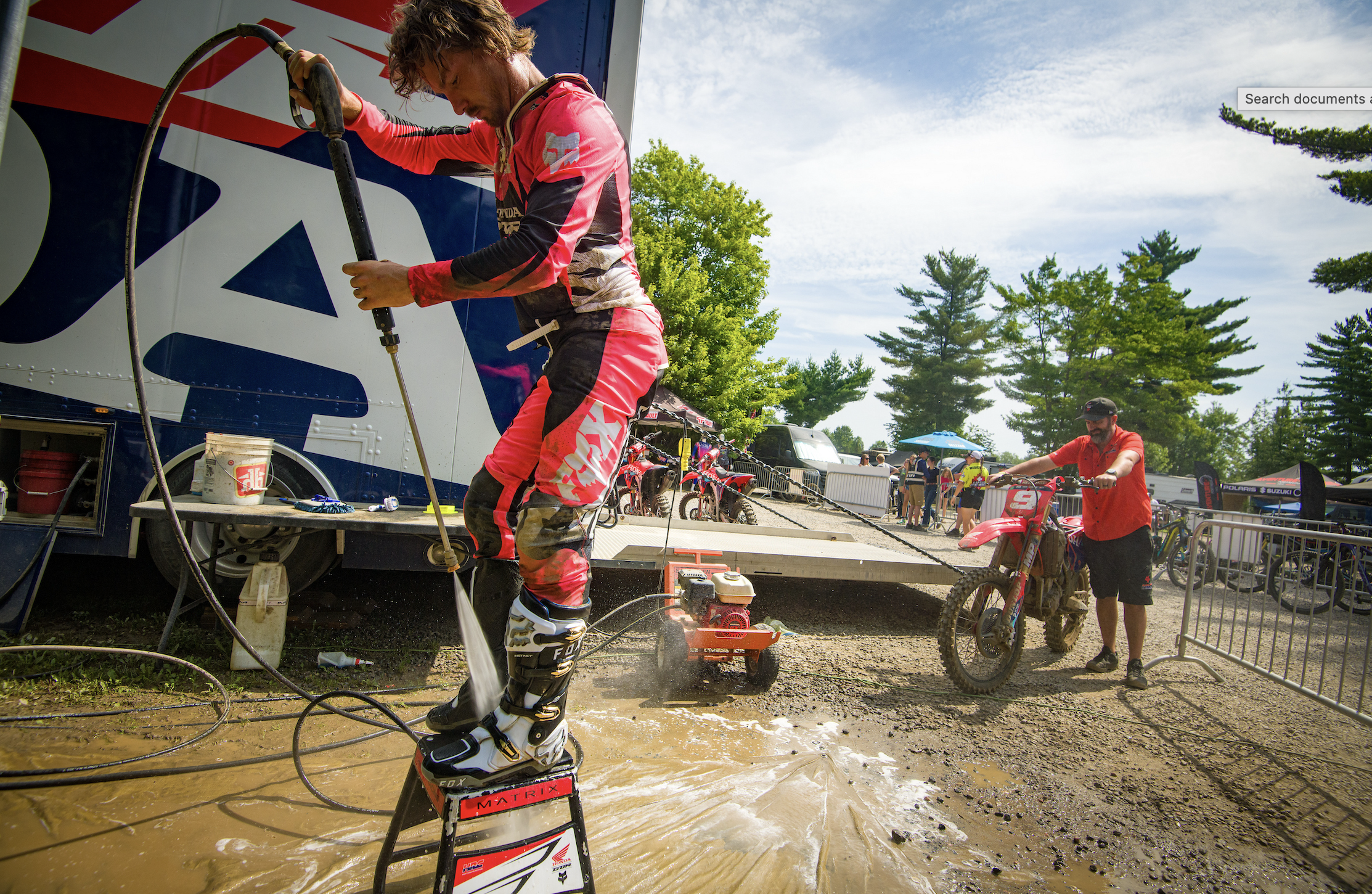
Equipment has to be maintained, fuel checked, air filters maintained.
Gear needs to be washed and packed.
For many young riders, a dirt bike can be one of their first introductions to understanding that if you want to enjoy something, you also need to take care of it.
As riders become more serious, their personal responsibilities increase too.
Preparation and training matters.
Nutrition and sleep matters.
Being on time matters.
At the professional level there may be mechanics, suspension technicians, trainers and an entire race team supporting the athlete, but the rider still has to take responsibility for their part of the equation.
We see this at the opposite ends of motocross at Gopher Dunes — from a young rider learning to get their gear ready for a riding day to a GDR athlete preparing for a professional national.
The details become more complicated, but the lesson remains remarkably similar. Talent can open doors.
Professionalism and responsibility help keep them open.
6. Making Decisions Under Pressure
Motocross happens quickly, the track conditions change, ruts get deeper and lines develop. Other riders are constantly moving around you. A section that worked perfectly three laps earlier might suddenly have a completely different fastest line. Good riders are constantly observing and processing information.
Where is the rider behind me?
Can I make this pass?
Should I protect the inside?
Is a better line developing?
You make a decision and live with the result.
Sometimes you're right.
Sometimes you're wrong.
Then you learn from it.
Learning how to stay calm, process information and make decisions under pressure is a skill that carries far beyond racing.
7. How to Win, and How to Lose
Racing provides another lesson that every young person eventually needs to learn:
You aren't always going to win.
There can only be one rider standing on top of the podium.
Some weekends everything comes together.
Other weekends you can work incredibly hard, ride extremely well and still finish second, fifth or fifteenth.
Local racing can be one of the best places to begin learning this. Racers get to experience competition in a real environment, set goals for themselves and gradually measure their improvement. The first victory might not even be a trophy.
It might be finishing both motos, beating your previous lap time, or getting your first good start. Maybe its finally racing with someone who was much faster than you a few months earlier.
When you eventually do win, enjoy it — but understand why you won. When you lose, don't make excuses. Ask questions.
What could I have done better?
What was within my control?
What wasn't?
Then get back to work.
Learning how to win with humility and lose with perspective is something that will serve a person for the rest of their life.
8. Teamwork and Gratitude
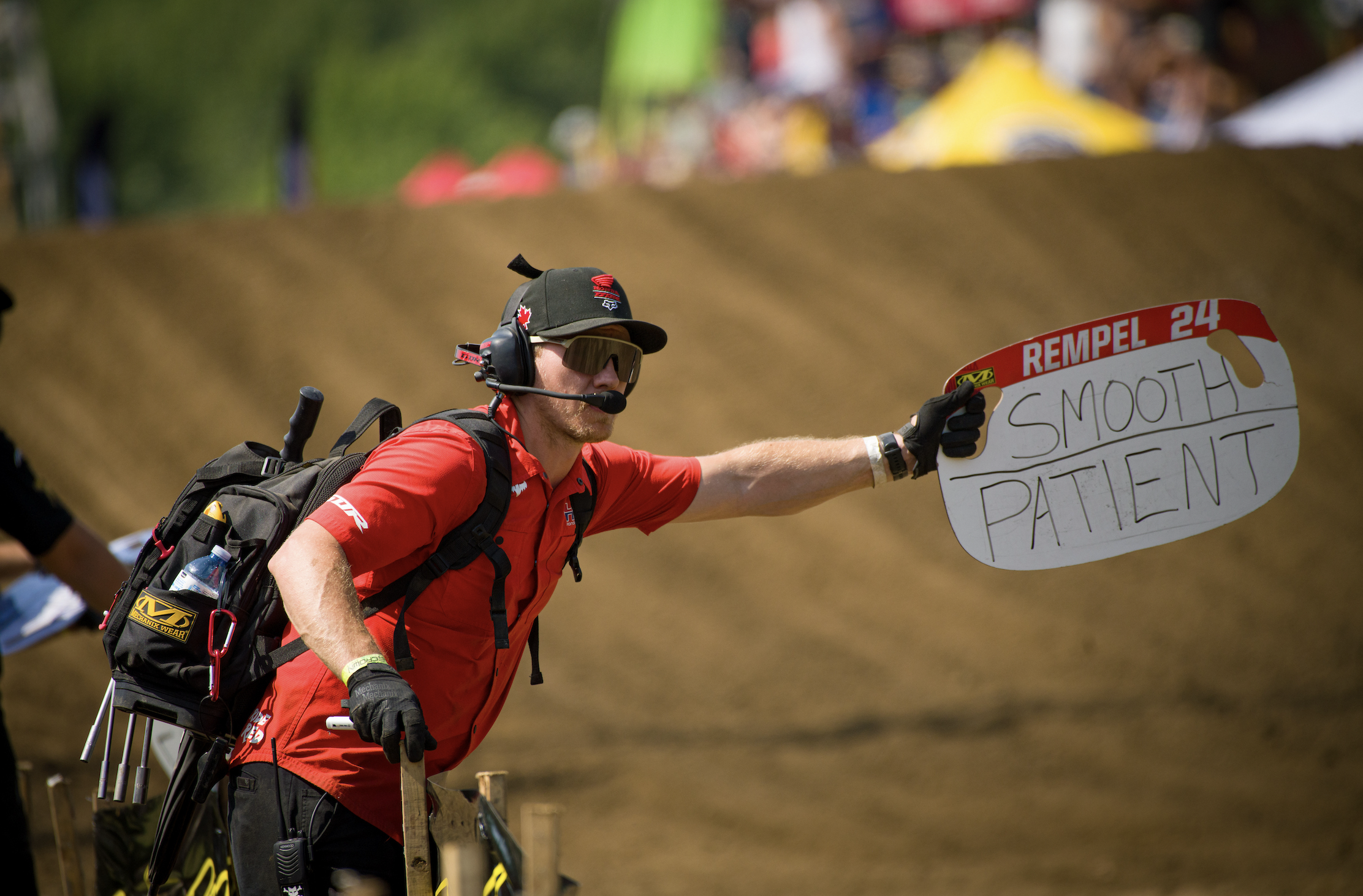
When the gate drops, there is only one person riding the motorcycle, that makes motocross look like an individual sport. News flash - It isn't.
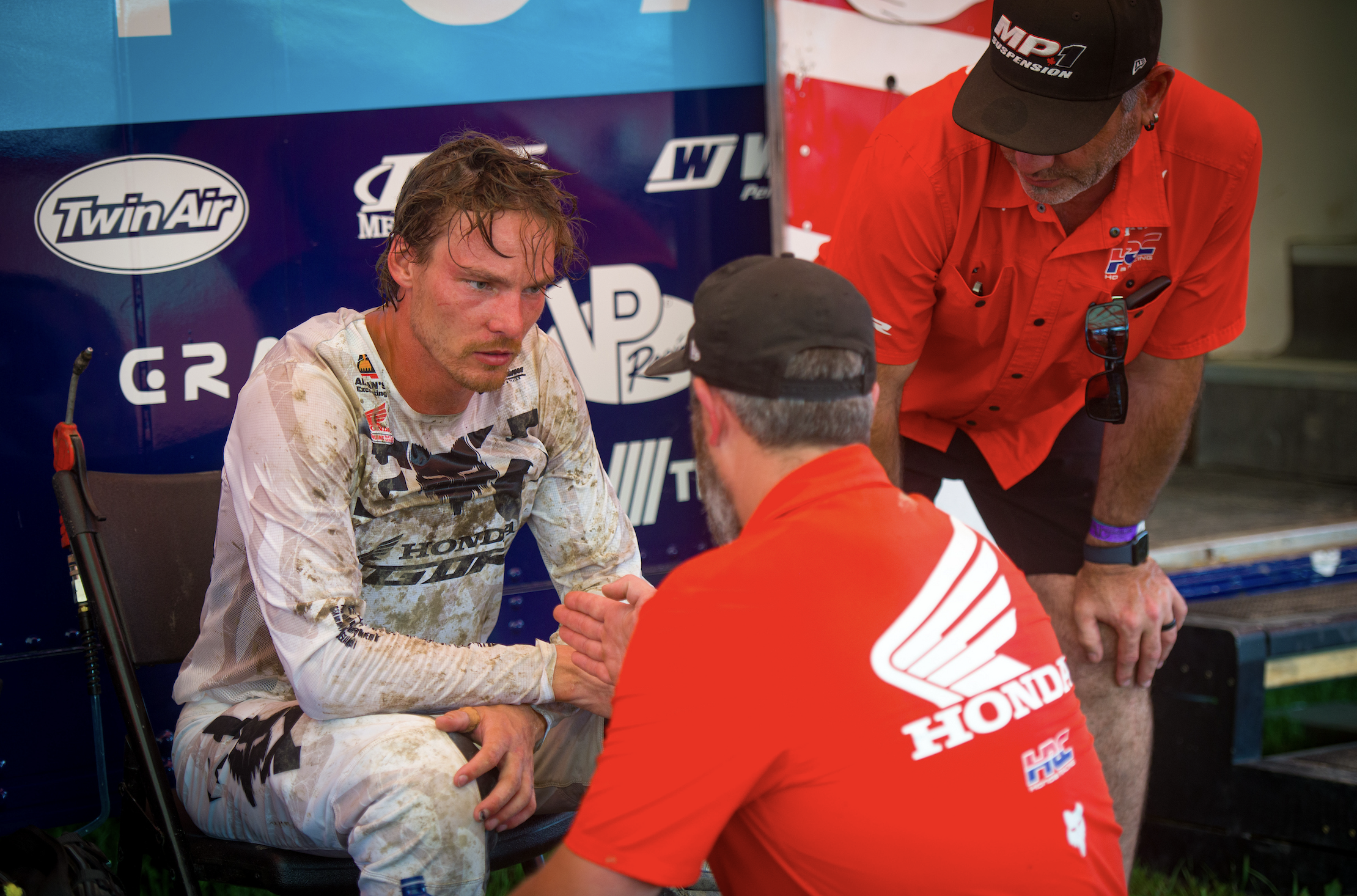
A weekend at Gopher Dunes makes that pretty obvious. Parents load trailers and drive countless kilometres, mechanics prepare motorcycles. Friends help push bikes through the pits. Families stand beside muddy tracks in rain, heat and cold. Competitors lend each other parts and tools just so somebody else can make it back to the starting gate.
As racers progress, that team becomes larger. At the professional level, our Honda Canada GDR Fox Racing program operates on exactly the same principle.
The rider may be the person everyone sees competing on Sunday, but behind that athlete is an entire group of people working toward the same goal.
Mechanics. Technicians. Trainers. Sponsors. Management. Family.
Motocross teaches riders that individual performance matters, but very few meaningful accomplishments happen completely alone.
It also teaches gratitude for the people willing to help you chase something important.
9. Respect
Motocross can be fiercely competitive, but there is also an incredible sense of community within the sport.
The rider you're battling for a position on the track might be the same person lending you a tool in the pits an hour later.
Riders learn to respect competitors, officials, flaggers, mechanics, track workers and the people who make racing possible.
Anyone who has spent enough weekends around Gopher Dunes has probably witnessed both sides of that relationship: intense battles on the racetrack followed by handshakes, conversations and friendships once the helmets come off.
Riders learn there is a difference between being competitive and being disrespectful.
You can race someone incredibly hard.
You can desperately want to beat them.
You can refuse to give them an inch on the racetrack.
And when it's over, you can still shake their hand.
That's a lesson worth learning early.
10. Setting Goals and Working Toward Them
Almost every dirt bike rider has a next goal.
For a beginner, it might simply be riding across the field without stalling.
Then completing their first lap.
Then riding the full track.
Then entering their first race.
Maybe it's finishing a moto.
Then cracking the top ten.
Then reaching the podium.
That progression is something we get a unique perspective on at Gopher Dunes because the sport exists here at so many different levels.
A young rider can experience their first motorcycle through training.
They can eventually move onto the tracks.
They might decide to try local racing.
Some progress into provincial and national competition.
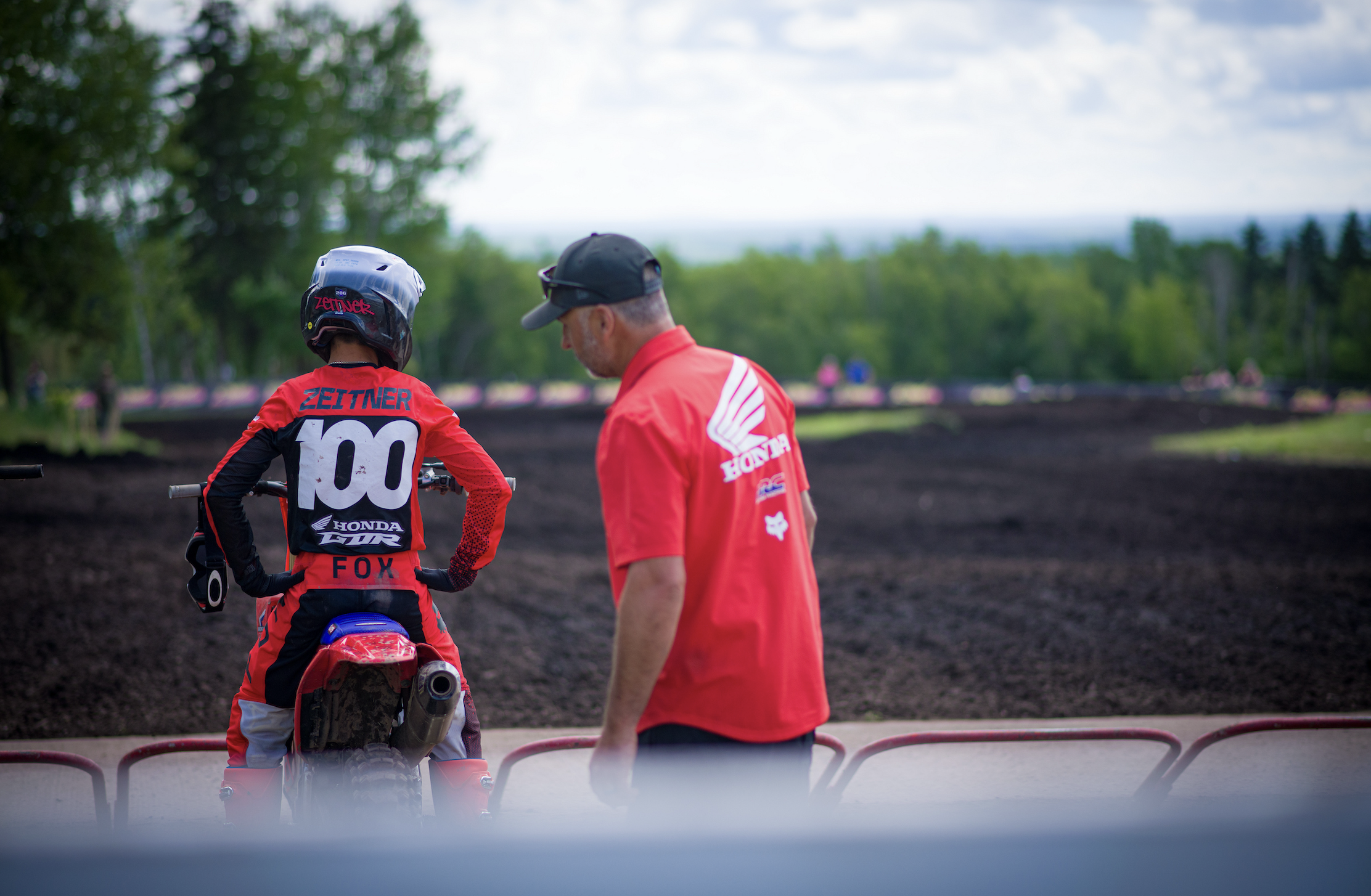
And for a very small number of athletes, the journey can eventually lead all the way to professional motocross and a factory-supported program like the Honda Canada GDR team.
But becoming a professional racer isn't really the important lesson.
The important lesson is understanding how to take a big goal and break it down into smaller steps.
Nobody becomes a professional motocross racer in one afternoon.
You become a little better today than you were yesterday.
Then you do it again tomorrow.
And again.
And again.
That's how almost every worthwhile accomplishment in life works.
The Classroom Isn't the Only Place We Learn
As kids head back into classrooms this fall, it's worth remembering that education comes in many forms. Math, science, reading and writing matter enormously. But so do confidence, resilience, work ethic, responsibility, decision-making, teamwork, respect and learning how to handle both success and failure. Sports have always been incredible teachers of those lessons.
At Gopher Dunes, we're fortunate that our particular classroom happens to include dirt bikes. Over the years, we've watched riders take their first tentative laps, compete in their first races, celebrate victories, deal with disappointment, make lifelong friends and, in a handful of cases, progress all the way to the professional level.
That entire journey is part of what makes motocross special to us.
Maybe a child's experience begins with Honda Red Rider training.
Maybe it turns into weekends riding with Mom and Dad.
Maybe they eventually decide to line up behind a starting gate at a local race.
Maybe racing becomes something their entire family does together.
And for the rare few with the talent, determination and opportunity, perhaps that journey eventually takes them all the way to national motocross and a factory-supported race team.
There is room in this sport for all of those stories.
Because becoming a professional motocross racer was never the only worthwhile outcome.
Years later, most riders probably won't remember every finishing position or every trophy.
They'll remember the confidence they gained.
The resilience they developed.
The friendships they made.
The weekends spent with family.
The satisfaction of working toward something difficult.
And the feeling that came from finally accomplishing something they once weren't sure they could do.
Dirt biking teaches you how to ride a motorcycle. But if you pay attention, it can teach you an awful lot about life along the way.